So you’ve decided to invest in a weight bench. Smart move. A good bench is arguably the most versatile piece of equipment you can own in a home gym — but standing between you and that purchase is one of the most common dilemmas in fitness:
Do you go adjustable or flat?
Both have passionate advocates. Both have real strengths. And depending on your goals, budget, and available space, one could be a dramatically better fit for you than the other. In this guide, we break it all down — exercises, stability, price, space, and everything in between — so you can buy with confidence.
What Is a Flat Weight Bench?
A flat weight bench is exactly what it sounds like — a fixed, horizontal padded bench with no moving parts and no angle adjustments. What it lacks in versatility, it more than makes up for in simplicity, stability, and affordability.
Flat benches are the backbone of powerlifting and heavy strength training. They offer a rock-solid, unbroken pad surface that provides consistent spinal support — no gaps, no wobble, no pins to shift under load.
What Is an Adjustable Weight Bench?
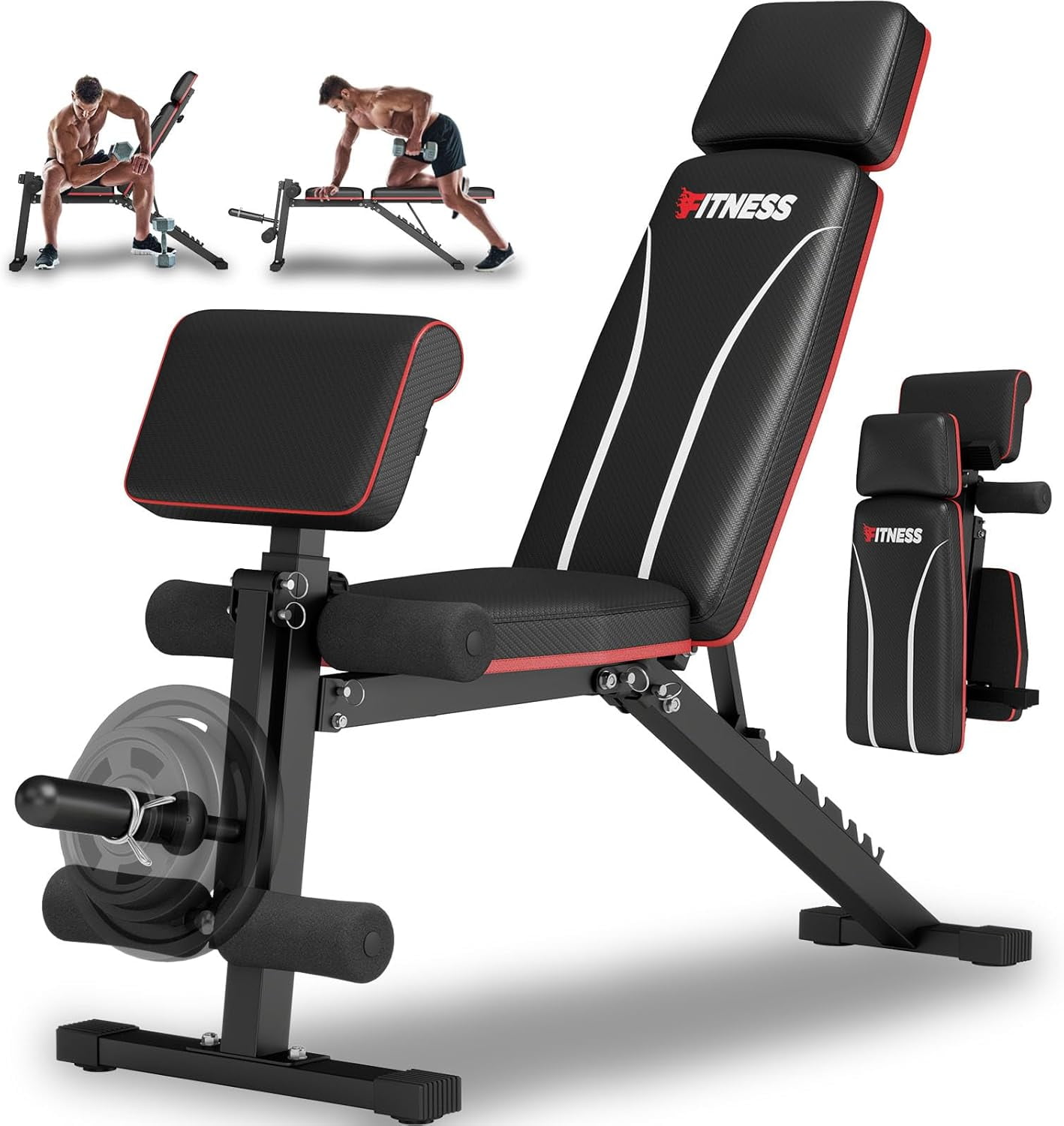
An adjustable bench — often called an FID bench (Flat, Incline, Decline) — features a backrest that can be repositioned across multiple angles, typically ranging from a full decline all the way up to fully vertical. This opens up a dramatically wider range of exercises compared to a flat bench.
An adjustable gym bench can do everything a flat bench can do, but it can also adjust to a bunch of other angles. Most of them can adjust to 1–2 decline positions, one flat angle, and 5–10 incline positions until the back pad is completely vertical.
Head-to-Head Comparison
🏋️ Versatility
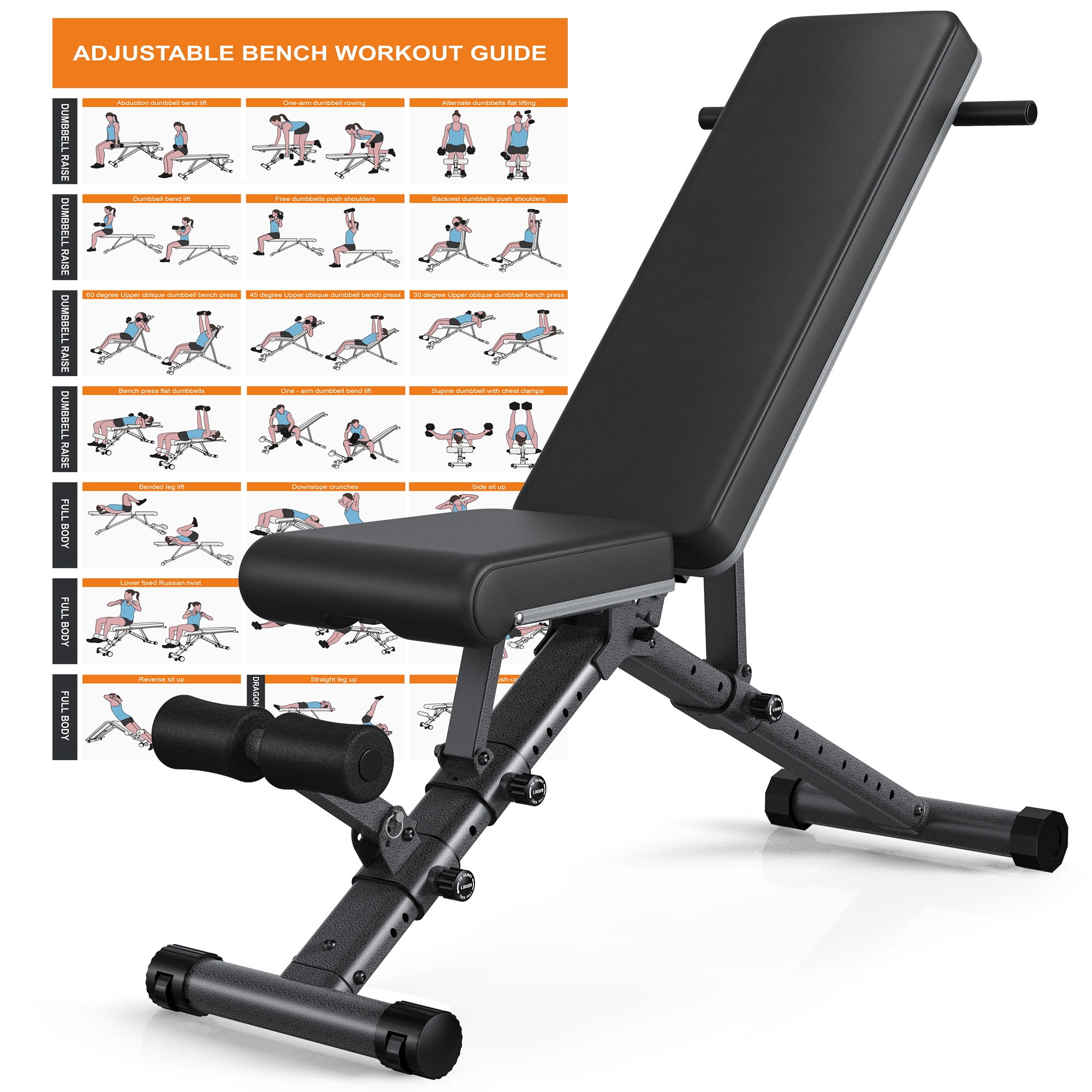
This one isn’t close. A single adjustable bench can be used for flat presses, incline shoulder work, decline crunches, and more. This versatility is especially helpful for people who follow programs that rotate between incline, flat, and seated exercises.
With a flat bench, you can still do a solid range of work — bench press, dumbbell flyes, skull crushers, hip thrusts, Bulgarian split squats, single-arm rows and more. But you’re locked into one angle. You can perform all the same exercises using an adjustable weight bench plus incline versions of workouts, such as incline bench press and incline pec flyes. Adjustable benches are also great for working the shoulders and back — strict presses are best done on a bench with an upright seat, while reverse flyes and barbell rows can do wonders for the upper back.
Winner: Adjustable Bench ✅
💪 Stability & Safety
A flat exercise bench design has no moving parts. There are no pins to wiggle and no gaps between pads to pinch your back. This continuous pad offers superior spinal support.
Flat benches have a fixed, simple structure, which makes them naturally more stable. Powerlifters often prefer flat benches because of their superior stability, especially since the weights they lift can be two to three times their body weight.
Adjustable benches, by contrast, have hinge mechanisms and adjustment pins that can introduce minor wobble — particularly on cheaper models. Quality matters here — lesser models may wobble when set at certain angles, affecting safety and performance.
Winner: Flat Bench ✅
💰 Price
Flat weight benches are more affordable. They are simple and have fewer parts, so they usually cost less. You can find one for $50 to $100. Adjustable benches cost more because they offer more features.
A budget flat bench will cost about $200–$300 for a quality version, while a budget adjustable bench runs $300–$500. Commercial-grade versions of either type typically fall between $500–$700, with commercial adjustable benches closer to the upper end.
Winner: Flat Bench ✅
📐 Space
Flat benches have a lean, minimal footprint and are easy to slide under a rack or against a wall. Flat benches tend to be lighter and easier to move due to their simple structure.
Adjustable benches are typically bulkier due to the extra framework and hinge mechanism, though many models now come with built-in transport wheels. Some also fold for compact storage — a genuine game-changer for smaller home gyms.
Winner: Flat Bench ✅ (unless you opt for a foldable adjustable model)

🎯 Muscle Targeting
This is where the adjustable bench truly earns its price premium. Being able to change the angle of your press completely changes which muscle fibres you recruit.
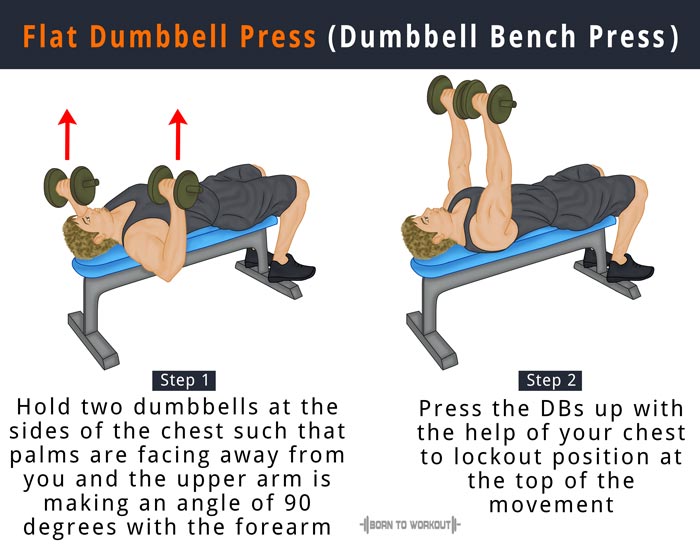
- Flat press — targets the mid chest
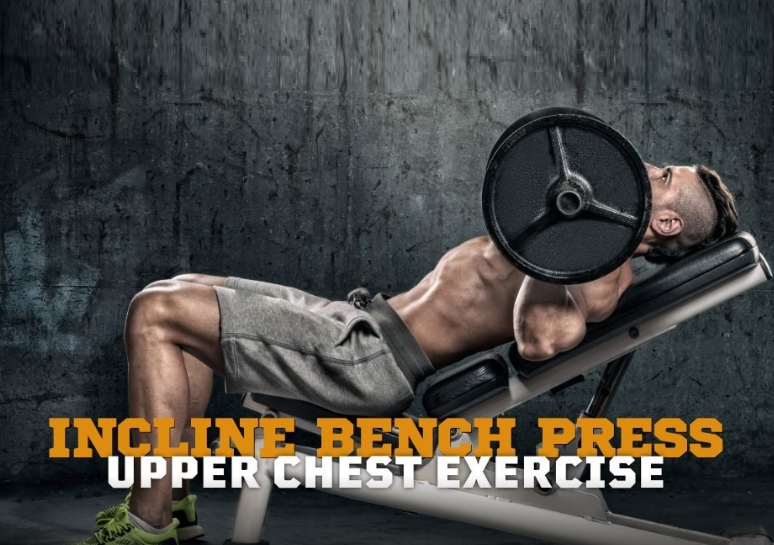
- Incline press — shifts emphasis to the upper chest and front delts
- Decline press — hits the lower chest
- Seated upright — ideal for shoulder presses, bicep curls, and more
With a flat bench, you’re primarily working from one angle. That’s fine for building strength, but it limits your ability to develop a well-rounded, symmetrical physique over time.
Winner: Adjustable Bench ✅
Who Should Buy a Flat Bench?
A flat bench is the right choice if you:
- Focus primarily on powerlifting — the bench press is one of the Big Three, and flat is king for raw strength
- Are a beginner building consistent training habits without overcomplicating things
- Are on a tight budget and need a reliable, durable option without the premium price
- Have limited space and want something minimal and easy to store
- Lift very heavy and need maximum stability under serious loads
The flat bench is recommended for beginners. Since it allows for fewer and more basic movements, it helps beginners quickly get into training mode and build consistent habits. At the same time, due to its strong load-bearing capacity and stability, powerlifters can use it for specialised bench press training, making strength gains more effective and safer.
Who Should Buy an Adjustable Bench?
An adjustable bench is the right choice if you:
- Train for bodybuilding or general fitness and want to hit muscles from multiple angles
- Train with dumbbells and want to maximise the variety of movements available
- Follow structured programs that include incline, flat, and declined movements
- Want one piece of equipment to replace several and grow with your training
- Are willing to invest more upfront for long-term versatility
With its multi-angle adjustment capability, the adjustable bench is more suitable for bodybuilding-style training. Bodybuilding focuses more on sculpting and isolating muscles from various angles, which this bench is designed to support.
Price Guide at a Glance
| Type | Budget | Mid-Range | Commercial |
|---|---|---|---|
| Flat Bench | $50–$150 | $200–$350 | $400–$600 |
| Adjustable Bench | $100–$300 | $300–$500 | $500–$700+ |
What to Look for Before You Buy
Regardless of which type you choose, always check these key specs before clicking Add to Cart:
Weight Capacity — Your bench needs to support your bodyweight plus the weight you’re lifting. Look for a minimum of 500 lbs for serious lifting.
Pad Quality — Firm, thick padding that won’t compress over time. Dense foam with durable vinyl or leather upholstery is ideal.
Frame Construction — Look for welded steel construction and non-slip rubber feet. Avoid benches with visible bolted joints at key stress points.
Adjustment Mechanism — For adjustable benches, test how easy the angle changes are. Ladder-style adjusters tend to be more stable than pop-pin mechanisms under heavy load.
Footprint & Storage — Measure your space before buying. If you’re tight on room, look for foldable adjustable options that can be stored vertically.
Our Verdict
| Flat Bench | Adjustable Bench | |
|---|---|---|
| Versatility | ⭐⭐⭐ | ⭐⭐⭐⭐⭐ |
| Stability | ⭐⭐⭐⭐⭐ | ⭐⭐⭐⭐ |
| Price | ⭐⭐⭐⭐⭐ | ⭐⭐⭐ |
| Space | ⭐⭐⭐⭐⭐ | ⭐⭐⭐ |
| Muscle Targeting | ⭐⭐⭐ | ⭐⭐⭐⭐⭐ |
| Best For | Powerlifters, Beginners | Bodybuilders, General Fitness |
Bottom line: If you’re a powerlifter or a beginner on a budget, a high-quality flat bench is all you need and will serve you brilliantly. If you train for aesthetics, follow varied programming, or simply want maximum return on a single investment, an adjustable bench is the smarter long-term buy.
If you take home workouts seriously and plan on using the bench for longer than just a couple of months, a quality adjustable weight bench is a must. It allows you to perform a wide variety of exercises that can help develop muscle faster than doing the same standard bench press over and over again.
Frequently Asked Questions
Can I do everything on an adjustable bench that I can do on a flat bench? Yes. An adjustable gym bench can do everything a flat bench can do, plus adjust to a range of other angles.
Are adjustable benches safe for heavy lifting? Yes, provided you buy a quality model rated for sufficient load. Avoid cheap benches with pop-pin mechanisms if you’re lifting heavy. Ladder-style adjusters are more stable under serious weight.
What’s a good budget for a first bench? For a flat bench, $150–$250 gets you something genuinely solid. For an adjustable, aim for at least $300 to ensure decent stability and durability.
Do I need both? Some serious home gym lifters own both — a flat bench for heavy pressing days and an adjustable for accessory work. But for most people, one quality adjustable bench is enough.