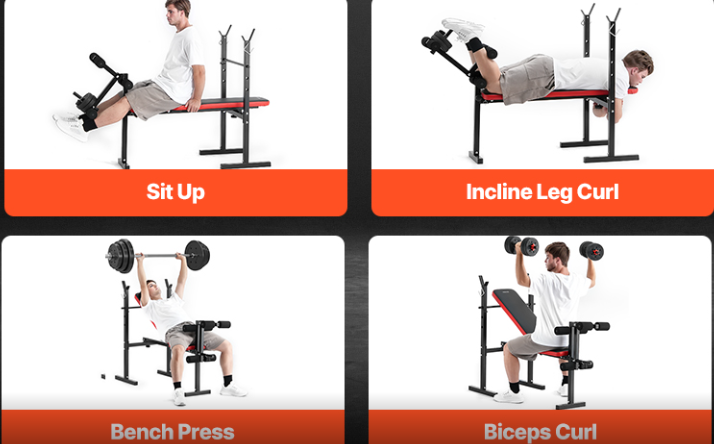
Buying a weight bench sounds simple enough — until you actually start looking. Suddenly you’re staring down a wall of options: flat, adjustable, foldable, Olympic, FID, commercial grade, budget-friendly — and the price tags range from $50 to well over $700.
How do you know which one is actually right for you?
The truth is, the “best” weight bench doesn’t exist in a vacuum. It depends on your training goals, how much space you have, how much you’re willing to spend, and how seriously you plan to push your training over the next few years.
This guide walks you through everything you need to know to make a confident, informed decision — and land on the bench that fits your life.
Step 1: Know the Types of Weight Bench
Before you can choose the right bench, you need to understand what’s actually out there.
🟫 Flat Bench
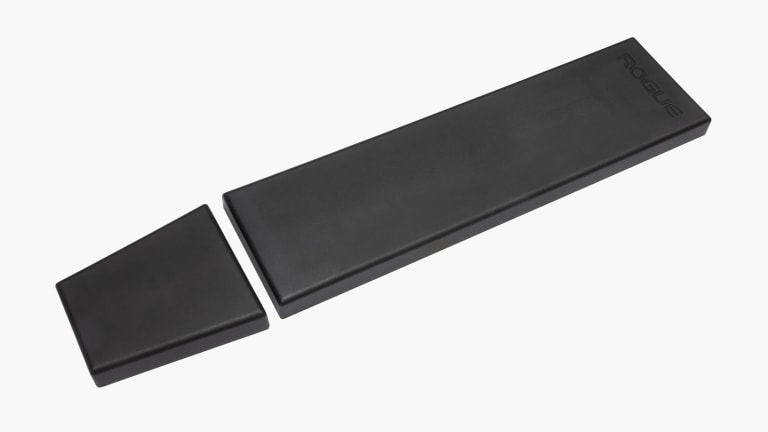
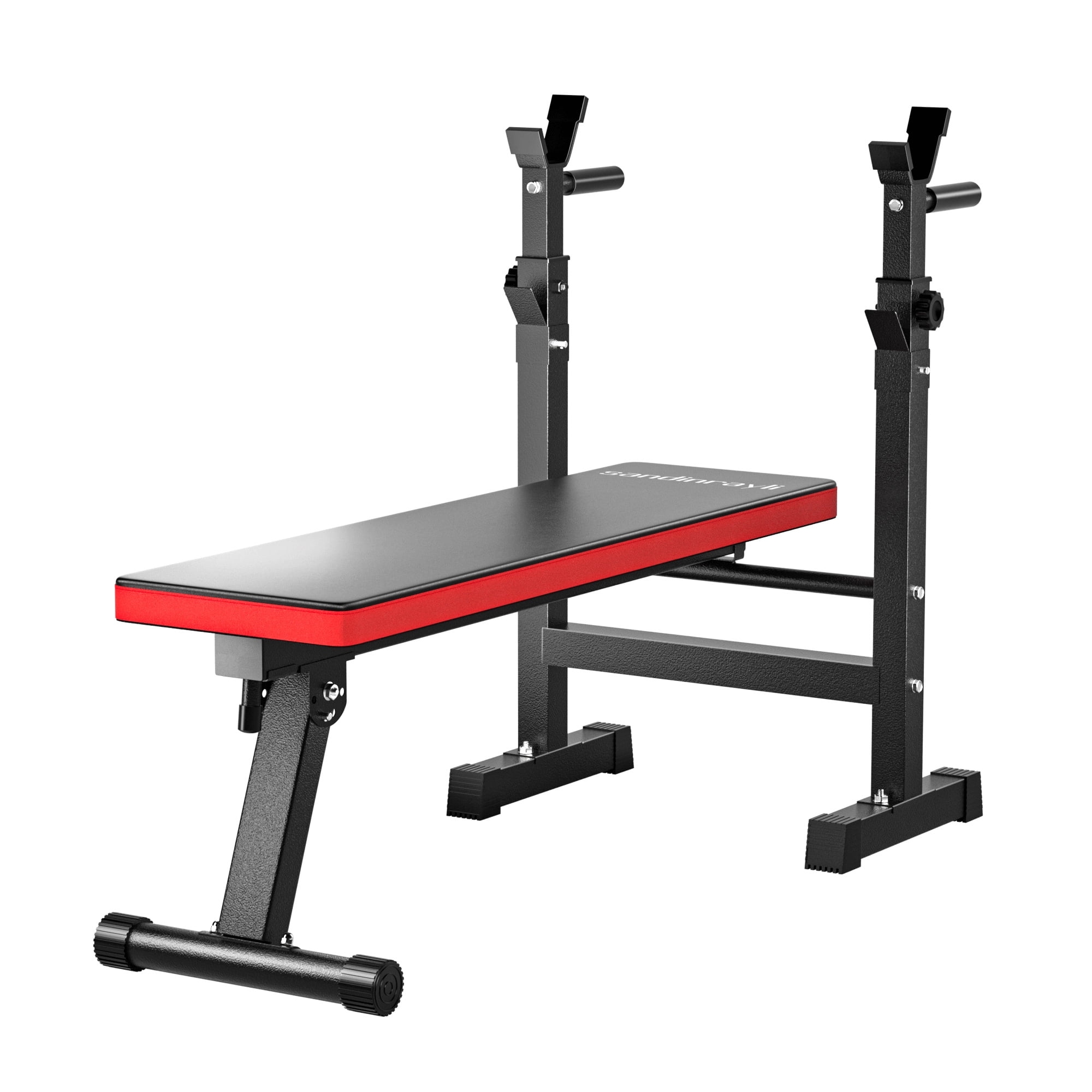
The flat bench is the classic — a fixed, horizontal pad with no moving parts. It’s the go-to for powerlifters and anyone focused on heavy barbell work. The flat bench delivers rock-solid stability. Flat benches tend to be more affordable than adjustable ones.
Its main limitation is that it locks you into one position. You can still perform a wide range of movements — bench press, dumbbell flyes, hip thrusts, skull crushers, step-ups and rows — but you can’t change the angle to hit different parts of a muscle.
Best for: Beginners, powerlifters, budget-conscious buyers, those who train primarily with barbells.
🔧 Adjustable Bench (FID)
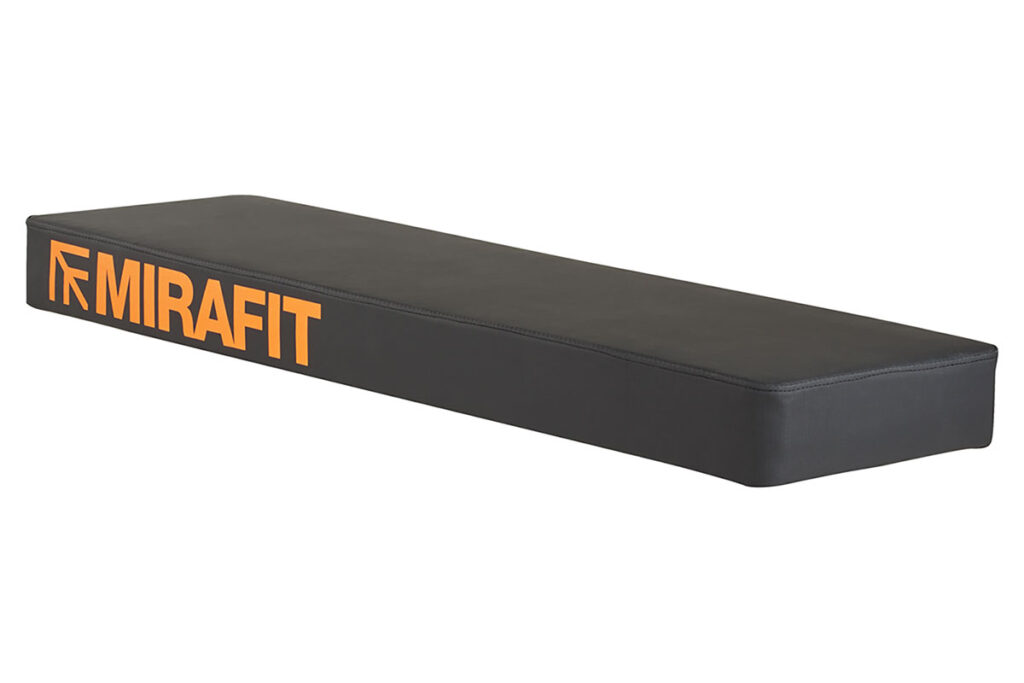
An adjustable bench — often called an FID bench (Flat, Incline, Decline) — is the most versatile option available. FID benches stand out for their ability to provide a full range of angles. Users can seamlessly transition between different bench positions, allowing for targeted muscle engagement and accommodating a myriad of exercise variations — from upper chest development with incline presses to overall chest strength with flat bench exercises to emphasizing the lower chest with decline movements.
Most adjustable benches can adjust to 1–2 decline angles, one perfectly flat angle, and 5–10 incline positions until the back pad is completely vertical.
Best for: Bodybuilders, dumbbell trainers, intermediate-to-advanced lifters, anyone who wants maximum long-term value.
📦 Foldable Bench
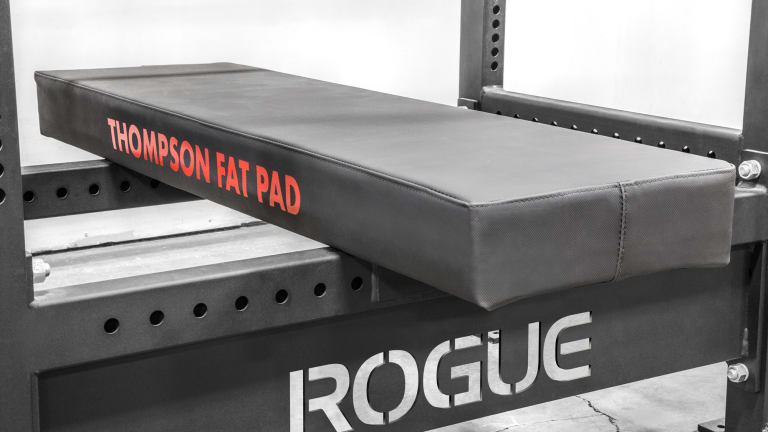
A foldable bench prioritises storage above all else. Many foldable models are also adjustable, offering the best of both worlds in a compact, storable package. The trade-off is typically a lower weight capacity and slightly reduced stability compared to fixed designs.
Best for: Small apartments, shared living spaces, anyone who needs to pack equipment away after every session.
🏋️ Olympic / Specialty Bench
Olympic benches are designed for heavy barbell work and often feature an integrated rack. Specialty benches — like preacher curl benches and hyperextension benches — are built around one specific movement. These are less common in home gyms and are typically for advanced, dedicated setups.
Best for: Serious powerlifters and bodybuilders with dedicated gym space.
Step 2: Define Your Training Goals
This is the most important question you can ask before spending a penny. Focused on powerlifting? A heavy-duty flat bench might be best. Want variety for full-body workouts? An adjustable model is a smarter buy. Tight on space? Look for foldable or multi-use benches.
Here’s a quick breakdown by goal:
| Training Goal | Recommended Bench |
|---|---|
| Heavy barbell bench press | Flat bench |
| Bodybuilding / muscle sculpting | Adjustable (FID) bench |
| General fitness / dumbbell training | Adjustable bench |
| Powerlifting / strength sport | Flat bench |
| Small space / apartment gym | Foldable adjustable bench |
| Beginner, just getting started | Budget flat or adjustable |
Step 3: Check the Weight Capacity
Weight capacity is a key consideration, especially if you plan on lifting heavy. The total capacity includes both your body weight and the weight you’re pressing. For example, if you weigh 300 lbs and are benching over 500 lbs, you’ll need a bench rated for at least 800 lbs.
Most benches can hold between 500 and 1,000 pounds. For safety, always choose a bench that can handle more weight than you plan to lift.
As a general rule of thumb:
- Casual / beginner training — 500 lb capacity is sufficient
- Intermediate lifting — aim for 700–800 lbs
- Heavy powerlifting — look for 1,000 lbs+
Never cut corners on weight capacity. A bench that fails under load is not just a wasted purchase — it’s a serious safety risk.
Step 4: Evaluate Pad Quality and Comfort
The pad is what you’re lying on through every rep of every set. It matters more than most buyers realise.
For thickness, choose a seat cushion that is 2.5 inches or thicker to ensure comfort during use. The cushion should have resilience — press it to check if it quickly returns to its original shape. If buying online, take the time to read reviews from other buyers. Choose waterproof materials so you can simply wipe down the bench after workouts.
Thin or cheap padding will compress over time, leaving you lying on a hard surface that can cause discomfort, distraction and even injury under heavy loads. Dense foam with durable vinyl or synthetic leather upholstery is the standard to look for.
Also consider pad width — somewhere around 12 inches is ideal. Any wider and you lose the ability to perform a lot of prone exercises. Any thinner and you start to struggle with flat pressing variations.
Step 5: Assess Stability and Frame Construction
A bench that wobbles under load is worse than useless — it actively puts you at risk.
Look for welded steel construction and non-slip feet, especially if you’re lifting heavier weights. Bolted joints at key stress points are a red flag on cheaper models; they can loosen over time, particularly on adjustable designs.
For adjustable benches specifically, pay close attention to the adjustment mechanism. A ladder system is a very common solution. A typical ladder adjustment is a one-hand operation that simply drops into place as you adjust the bench up. It is simple, easy to use, and effective. Pop-pin mechanisms are quicker but can be less stable under very heavy loads.
Although home use standards are lower than commercial standards, choose a steel bench that meets or exceeds commercial standards. If specific steel specifications are not available, assess the bench’s weight — opt for a bench weighing over 60 pounds to ensure it can support at least 750 pounds.
Step 6: Consider Your Space
When selecting a workout bench, think about both your training goals and the space where it will be used. If the bench will be placed in a shared area like a living room or bedroom, portability and foldability may be top priorities. If you’re setting up a dedicated home gym, a sturdier, heavy-duty bench designed for maximum stability is likely the smarter choice.
Key space considerations:
Footprint — Measure your workout area before buying. Standard benches run roughly 50–55 inches long and 20–24 inches wide. Make sure you have clearance on all sides for safe movement.
Storage — Storing benches vertically is a space-saving game changer — you can store multiple benches vertically in the same space that one bench takes up flat. Look for benches with built-in wheels and the option for vertical storage.
Foldable options — If you genuinely need to pack the bench away after every session, a foldable adjustable bench is your best bet. Just ensure the weight capacity and stability specs still meet your training needs.
Step 7: Set Your Budget
Weight benches span a huge price range. Here’s what to realistically expect at each level:
| Budget | What You Get |
|---|---|
| Under $100 | Basic flat bench, minimal durability, lower weight capacity. Fine for very light use. |
| $150–$300 | Solid entry-level flat or adjustable bench. Good for beginners and intermediate lifters. |
| $300–$500 | Mid-range adjustable benches with quality frames, multiple positions, decent capacity. |
| $500–$700+ | Commercial-grade benches. Heavy-duty steel, superior padding, high weight ratings, long warranties. |
Spending more on a durable, high-quality bench can pay off in the long run. Cheaper benches may not provide the stability, adjustability, or comfort needed for effective training, and they might wear out faster.
That said, you don’t need to spend top dollar to get an excellent bench. For most home gym users, a mid-range adjustable bench in the $300–$500 bracket will perform brilliantly for years.
Step 8: Check the Bench Height
Bench height affects both comfort and performance, particularly for pressing movements. A bench height of 17 inches is the IPF (International Powerlifting Federation) standard height and is the benchmark most quality flat and adjustable benches aim for.
Too tall and shorter lifters won’t be able to place their feet flat on the floor — a key component of safe, powerful pressing. Too low and taller lifters will struggle to set up efficiently. If you’re significantly shorter or taller than average, check the listed height carefully before buying.
Step 9: Look for Warranty and Build Longevity
A good bench is an investment that should last years — potentially a decade or more if you buy quality. Always check the warranty before purchasing.
- 1-year warranty — Minimum acceptable for a home gym bench
- 3–5 year warranty — Solid for mid-range options
- 10-year frame warranty — The gold standard, offered by some premium brands
The Giant Lifting Adjustable Weight Bench comes with a 10-year warranty that covers the frame, making it difficult to overlook when building a home gym. Brands that stand behind their products with long warranties are typically producing genuinely durable equipment.
Quick-Reference Buyer’s Checklist
Before you hit Buy Now, run through this checklist:
- ✅ Weight capacity covers your bodyweight + weights + safety margin
- ✅ Pad is at least 2.5 inches thick with high-density foam
- ✅ Upholstery is waterproof/wipeable
- ✅ Frame is welded steel (not bolted at key joints)
- ✅ Non-slip rubber feet or floor protectors
- ✅ Bench height is appropriate for your body height (aim for ~17 inches)
- ✅ Pad width is around 10–12 inches
- ✅ Transport wheels included (especially for heavier benches)
- ✅ Warranty of at least 1 year (3–5 preferred)
- ✅ Adjustment mechanism feels solid and secure (for adjustable benches)
Our Top Picks by Category
| Category | Our Pick | Why We Love It |
|---|---|---|
| Best Overall | REP AB-4100 Adjustable Bench | 7 backrest positions, rock-solid frame, excellent value |
| Best Flat Bench | REP FB-5000 | Tripod foot design, 1,000 lb capacity, IPF height |
| Best Budget | Bells of Steel Flat Utility Bench | Quality build without the premium price |
| Best for Small Spaces | Flybird Foldable Adjustable Bench | Folds flat, wheels included, surprisingly sturdy |
| Best Premium | Ironmaster Super Bench Pro V2 | 11 lockout angles, attachment-compatible, built to last |
Final Verdict: Which Bench Should You Buy?
Still not sure? Here’s the simple version:
Buy a flat bench if you’re a beginner on a budget, a powerlifter focused on heavy barbell work, or you want maximum stability without complications.
Buy an adjustable bench if you train with dumbbells regularly, follow varied programs, want to target muscles from multiple angles, and plan to use the bench seriously for years to come.
Buy a foldable bench if space is your number one concern and you need something you can store away after every session.
Whether you choose a flat bench for maximum stability, an adjustable bench for versatility, or a folding bench to save space, the right choice will enhance your training efficiency and long-term results. By considering key factors such as stability, adjustability, comfort, storage, and budget, you’ll ensure your investment matches both your fitness goals and your living space.
A great bench doesn’t just support your workouts — it makes them better. Take your time, use this guide, and buy the one that’s built for where you’re going — not just where you are right now.
Frequently Asked Questions
What weight bench is best for beginners? A budget flat bench or entry-level adjustable bench in the $150–$300 range is ideal for beginners. Focus on stability and weight capacity over premium features.
How much should I spend on a weight bench? For a home gym, $300–$500 gets you a genuinely high-quality adjustable bench that will last years. Under $150 is fine for light use, but don’t expect it to handle serious loads long-term.
Can I use a weight bench without a rack? Absolutely. The majority of weight bench exercises are performed with dumbbells and require no rack whatsoever — presses, flyes, rows, curls, step-ups and more.
What’s the ideal bench height? A bench height of 17 inches is generally recommended for performing presses, as it allows most lifters to place their feet firmly on the floor.
How do I maintain my weight bench? Regular cleaning plays a crucial role in preventing dust buildup and maintaining hygiene. A clean weight bench ensures a comfortable and sanitary workout environment. Wipe the pad down after each session, check hardware periodically for tightening, and store away from moisture.